Faith Deconstruction Therapy
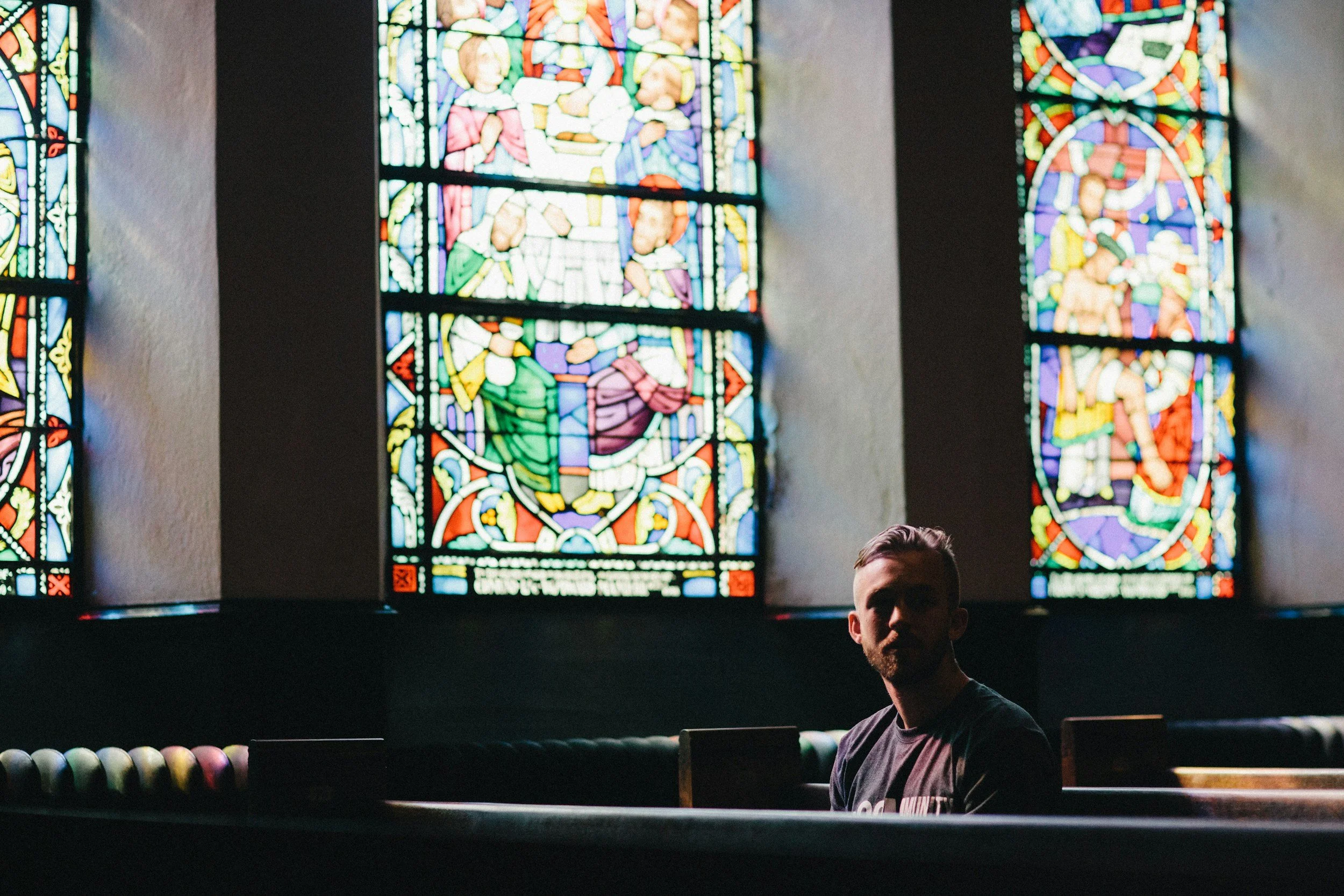
Questioning or Reexamining Your Faith
For many people, faith was once a central part of life — shaping identity, community, relationships, and a sense of meaning in the world. You may have grown up believing that faith would guide every decision, answer every question, and provide a clear path forward.
But when your beliefs begin to shift, life feels disorienting. Questions that once seemed impossible to ask may now linger in your mind, and parts of your faith that once felt certain may no longer align with your values or lived experience. It can feel both liberating and unsettling, and sometimes even lonely.
Faith deconstruction therapy is a space to explore these questions without pressure, judgment, or expectations about where you “should” land. This is a place where your story belongs to you — where you can wrestle with beliefs, doubts, and identity shifts safely and at your own pace.
I work with adults navigating faith deconstruction who want to make sense of what they believe now, who they are becoming, and how to move forward in a way that feels authentic, grounded, and aligned with their values.
What Is Faith Deconstruction?
Faith deconstruction is the process of critically examining religious beliefs that were previously accepted as absolute or unquestionable.
For some people, this process begins with a specific event — such as encountering harmful teachings, witnessing hypocrisy in leadership, or realizing that certain doctrines conflict with their values or identity.
For others, the process unfolds slowly over time as they encounter new perspectives, life experiences, or questions that their faith tradition did not allow space to explore.
Faith deconstruction can involve:
• Reexamining teachings that were presented as unquestionable truth
• Questioning authority structures within religious communities
• Reflecting on how belief systems shaped your identity
• Reconsidering ideas about morality, purpose, and meaning
• Exploring what spirituality or belief might look like moving forward
For many people, this process is not simply intellectual. It is deeply emotional and often tied to relationships, identity, and belonging.
Why Faith Deconstruction Can Feel So Difficult

Some common experiences during faith deconstruction include feeling isolated or misunderstood by family or community members, fear of losing relationships or support systems, anxiety about making the “wrong” spiritual decision, questioning career choices, grief over losing certainty or community, and confusion about identity or values.
Faith deconstruction can be challenging because religion often shapes many areas of life beyond belief itself.
For many people, faith communities provide:
• Family and social networks
• A sense of belonging
• Shared moral frameworks
• Identity and purpose
• Cultural traditions and rituals
When beliefs begin to change, it can create tension in relationships and leave people feeling uncertain about where they belong.
Faith Deconstruction and Religious Trauma
For some people, faith deconstruction begins after recognizing harmful dynamics within their religious environment.
Experiences such as spiritual abuse, rigid control, shame-based teachings, or fear-based doctrine can lead people to reevaluate the beliefs and systems they were raised in.
In these cases, the process of deconstruction may also involve healing from religious trauma or recognizing patterns that once felt normal but were actually harmful.
Therapy can help create space to process both the intellectual and emotional aspects of this experience.

What Faith Deconstruction Therapy Can Help With
Many people find relief in having a space where they can speak openly about doubts, questions, or frustrations without feeling judged or pressured.
Faith deconstruction therapy provides a place to explore questions and emotions that may feel difficult to discuss elsewhere.
In therapy, we may work on:
• Processing confusion, grief, or anger related to changing beliefs
• Untangling internalized messages about sin, obedience, or worth
• Navigating relationships with family members who remain in the faith
• Exploring new values or spiritual perspectives
• Rebuilding a sense of identity outside rigid belief systems
• Developing boundaries around conversations about religion
• Finding ways to create meaning and purpose moving forward
There Is No “Right Way” to Deconstruct
Faith deconstruction does not follow a single or linear path.
Some people reconstruct their faith in new ways that feel healthier and more aligned with their values. Others move toward a more secular worldview or redefine spirituality outside organized religion.
Many people simply spend time exploring and allowing their beliefs to evolve naturally.
Therapy is not about pushing you toward a particular outcome. It is about helping you reconnect with your own sense of curiosity, agency, and authenticity.

My Approach to Faith Deconstruction Therapy
My approach is grounded in trauma-informed care and a deep respect for the complexity of religious identity. I work from a psychodynamic lens, and believe that our early attachments and experiences shape much of who we are today. As a relational therapist, I view the therapeutic relationship to be a profound place where growth and healing can happen.
Faith and spirituality often shape people’s lives in profound ways, and questioning those beliefs can bring both grief and relief.
In therapy, we focus on creating a space where you can explore your thoughts, doubts, and experiences openly. This may include:
• Reflecting on the beliefs and messages that shaped your worldview
• Exploring how those beliefs continue to influence your thoughts and relationships
• Processing the emotional impact of questioning or leaving a religious community
• Rebuilding trust in your own judgment and intuition
The goal is not to tell you what to believe. The goal is to support you as you discover what feels true and meaningful for you now.
Faith Deconstruction Therapy in California, Florida, Idaho, Missouri, and Washington
I provide online therapy for adults navigating faith deconstruction, religious trauma, and spiritual abuse.
Sessions are available for clients located in:
California
Florida
Idaho
Missouri
Washington
Online therapy allows you to access support from the privacy of your own space, wherever you are located within those states.

Start Exploring Your Next Chapter
Faith deconstruction can feel like stepping into unfamiliar territory. Many people find themselves rethinking long-held beliefs while also trying to rebuild a sense of identity and belonging.
Therapy can offer a place to explore those questions with curiosity and compassion.
If you're looking for support as you navigate faith deconstruction or reconsider what spirituality and meaning look like in your life, you can request a consultation call below to see if I’m a good fit for what you need.
Let’s talk!
Request a free 15 minute consultation with me.