Blog

How to Heal From Religious Trauma: 5 Practical Steps That Actually Help
How do you condense a complex healing journey that often unfolds over years—with plenty of twists, turns, and sometimes even U-turns—into a handful of practical tips? Turns out there are some common threads.
10 Signs You Experienced Religious Trauma (and How It Can Affect You Today)
Religious trauma can affect you long after leaving a high-control religion. Learn 10 common signs of religious trauma, including fear, shame, anxiety, self-doubt, purity culture wounds, and difficulty trusting yourself.

You Left the Beliefs Behind. So Why Is the Sexual Shame Still There?
Many people leave purity culture believing they've moved past its teachings—only to find that guilt, anxiety, or shame around sexuality still lingers. In this article, I explore why sexual shame often persists long after your beliefs have changed, how purity culture shapes the nervous system (not just your thoughts), and why healing begins with curiosity rather than self-judgment.
What I Wish Every Queer Kid Growing Up in High-Control Religion Could Hear
What messages do LGBTQ+ kids absorb in high-control religious environments? This Pride Month reflection explores religious trauma, shame, identity, and the healing power of self-trust and affirmation.

Why Pride Month Can Feel Complicated for LGBTQ+ Survivors of Religious Trauma
For many LGBTQ+ survivors of religious trauma, Pride Month can bring up grief, fear, shame, and complicated emotions alongside celebration. This post explores the lasting impact of high-control religion on identity, visibility, safety, and healing.
How Purity Culture Uniquely Impacts LGBTQ+ Survivors of Religious Trauma
Purity culture doesn’t just shape heterosexual relationships—it profoundly impacts LGBTQ+ people in ways that are often confusing, isolating, and deeply internalized. This post explores how queer individuals raised in high-control religious environments experience identity confusion, shame, delayed development, and disconnection from desire and the body.
Biblical Womanhood vs Embodied Womanhood: How High-Control Religion Disconnects Women From Themselves
Many women raised in high-control religion were taught to suppress themselves in the name of “biblical womanhood.” This post explores how purity culture, submission teachings, and spiritualized self-sacrifice disconnect women from themselves — and what embodied healing can look like after religious trauma.
When “God’s Plan” Becomes a Way to Minimize Harm
Phrases like “God has a plan” or “everything happens for a reason” are meant to comfort—but for many survivors of high-control religion, they feel minimizing and invalidating. This post explores how spiritual bypassing shows up in religious trauma and why it can make healing harder.

Sometimes a Feeling Is Just a Feeling: Understanding Emotions After Religious Trauma
After leaving high-control religion, it’s common to question every emotion. Learn why your feelings aren’t always signs and how to understand them.
5 Things Normalized in High-Control Religion That Are Actually Toxic
High-control religion often normalizes public shaming, forced confession, thought policing, and spiritual control. Here are 5 toxic patterns that impact religious trauma survivors long after they leave.
How Religious Trauma Survivors Heal: Patterns I See Again and Again as a Therapist
Healing from religious trauma isn’t just about changing beliefs—it’s about practical steps you can take. Discover patterns survivors follow to reconnect with their body, build supportive community, reclaim play, and create personal rituals that restore agency and safety.

Why a Religious Trauma Therapist Won’t Tell You What to Do (And Why That’s Actually the Point)
Many religious trauma survivors feel anxious when their therapist won’t tell them what to do. This post explains why—and how therapy helps rebuild self-trust after high-control religion.
3 Ways Religious Trauma Survivors Minimize Their Trauma
Many survivors of religious trauma minimize what they went through. Here are three common ways this shows up—and why it makes healing harder.

It’s Okay If You’re Not Grateful This Thanksgiving: Healing from Religious Trauma
Not feeling grateful this Thanksgiving? For survivors of religious trauma, honoring your true emotions is part of the healing process. Here’s why it’s okay to feel what you feel this holiday season.

Healing After Religious Trauma: Finding Connection Beyond Faith and Fear
After leaving high-control religion, connection can feel terrifying. But belonging isn’t gone for good—it’s waiting beyond faith and fear.

When Healing Hurts: Choosing the Discomfort That Leads to Freedom After Religious Trauma
Not all pain means progress. In religious trauma recovery, learning to choose the discomfort that leads to freedom is part of healing. Discover what productive discomfort looks like — and how to stop confusing suffering with growth.
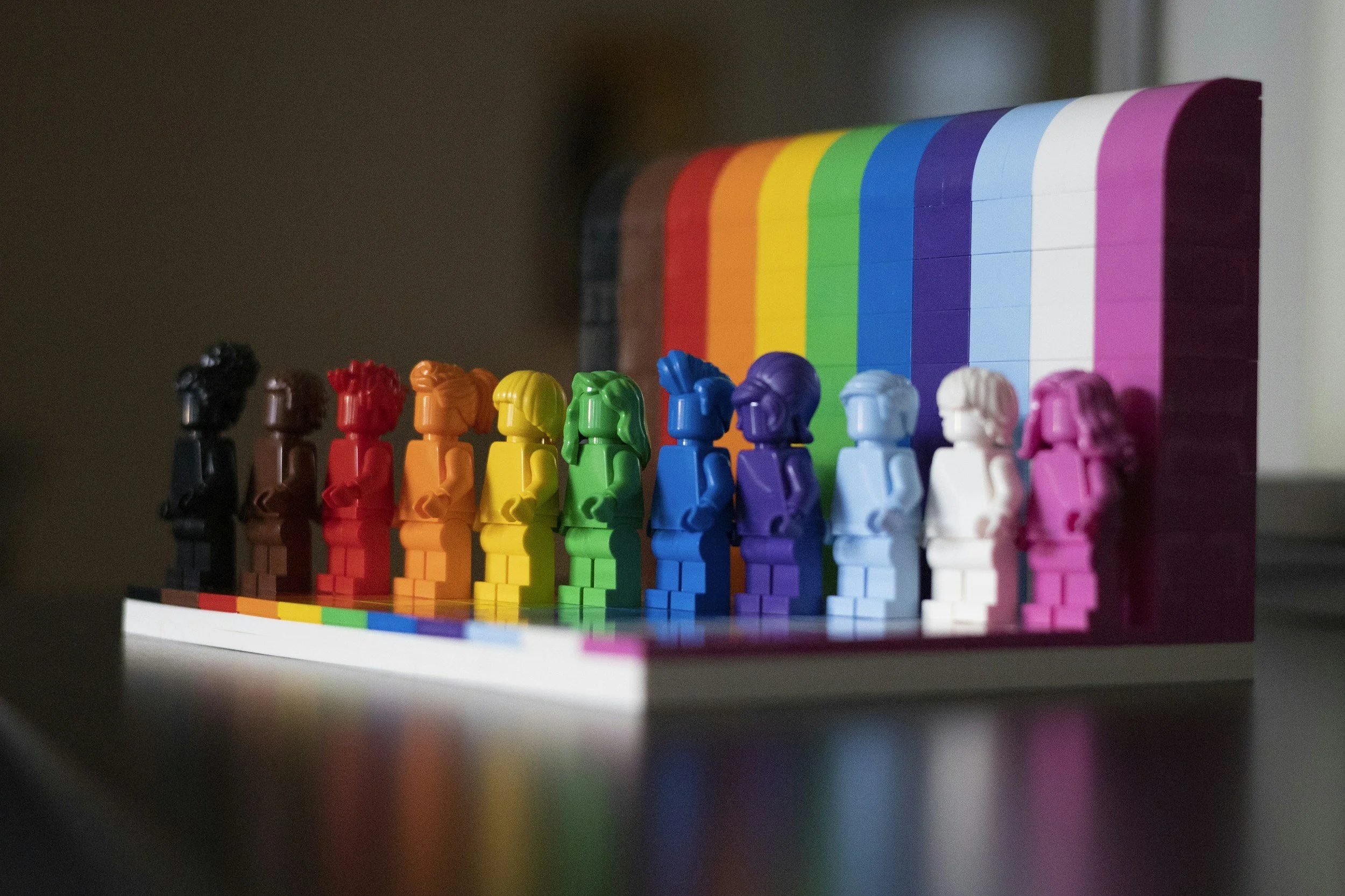
How Purity Culture Hurts Queer People — and What Healing Really Looks Like
Purity culture often told queer people their identities were wrong or unholy. But healing means unlearning those messages and reclaiming the love, freedom, and self-worth you were always meant to have.

When a Simple Mistake Feels Like a Sin: Healing After Religious Trauma
When you grow up in high-control religion, even small mistakes can feel like proof that you’re bad or broken. This post explores how religious trauma warps your relationship with being human — and what it looks like to relearn the simple “oops.”

Healing from Religious Trauma: Learning to Center Yourself as the Main Character in Your Story
Feeling like a supporting character in your own life after years of religious control is common — and healable. In this post I share what it looks like to center yourself as the main character: how to recognize faith-based messages that minimized you, small practical steps toward reclaiming your story, and compassionate guidance for survivors of spiritual abuse and purity culture.

Religious Trauma and Self-Worth: Healing the Belief You’re Bad at Your Core
When your childhood religion taught you that you were bad, it can leave deep scars on your self-worth. This post explores how to heal and reclaim your value.